Seated thoracic opener
Place feet flat, hands behind head gently. Inhale, lift chest toward the ceiling without forcing your neck. Exhale, return. Six slow reps may help some people feel less stiff in the upper back after typing.

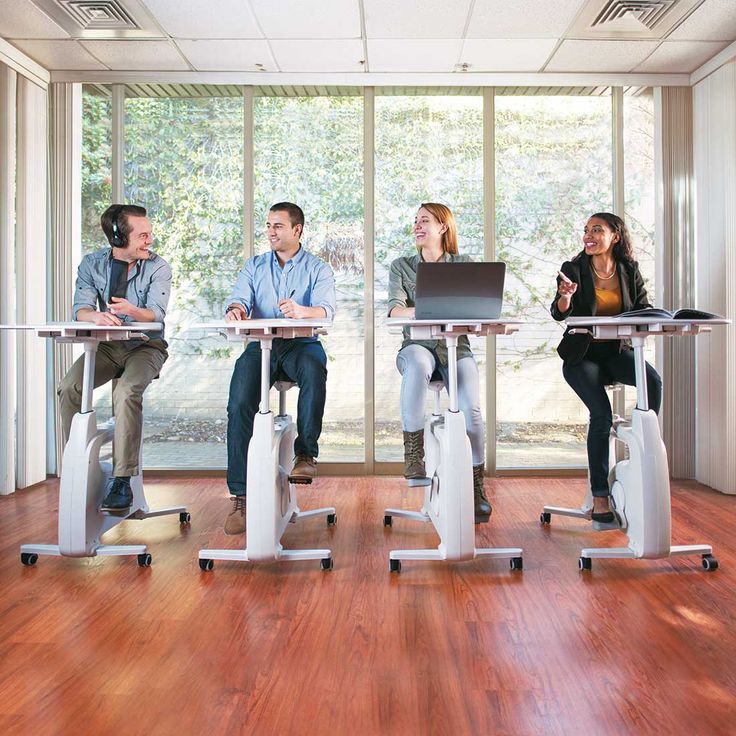
DeskFlow is a practical exercise service for people who sit, stand at counters, or hop between meetings all day. We focus on short, repeatable routines you can do beside your chair, in a hallway, or together as a team.
Explore desk routinesBased in Nashville, TN — serving remote and on-site teams across the United States with guided micro-breaks and group sessions.
Plan a team introLong stretches at a keyboard change how your shoulders, hips, and eyes feel by afternoon. Research on occupational health consistently links prolonged sitting with discomfort and reduced focus, not because sitting is “bad,” but because the body appreciates variety. A two-minute stand, a gentle neck turn, or a paced walk to the printer gives your muscles a different job and helps your brain reset between tasks.
DeskFlow does not promise specific health outcomes. We teach simple patterns: breathe, lengthen, move joints through comfortable ranges, and return to work. Some teams share informal feedback about feeling more comfortable or alert after brief breaks; experiences differ by person and job demands. The goal is consistency, not intensity.
Start with one cue you already have—finishing an email, joining a video call, or pouring coffee. Pair that cue with ten shoulder rolls or a hip shift in your chair. Over a week, those cues become automatic, which is how office-friendly habits actually stick.
Place feet flat, hands behind head gently. Inhale, lift chest toward the ceiling without forcing your neck. Exhale, return. Six slow reps may help some people feel less stiff in the upper back after typing.
Hold your desk for balance. Rise onto toes, lower with control. Twelve reps activate lower legs after long sitting and prepare you for walking meetings.
Extend one arm, palm up, gently draw fingers back with the other hand. Hold fifteen seconds per side. Useful before long spreadsheet sessions or design work.
Each move should feel mild, not painful. If a position pinches or tingles, ease off and try a smaller range. Our Desk Exercises page walks through form, timing, and how to stack moves into a five-minute routine.
Full exercise guideGroup training in the office does not require mats, loud music, or changing clothes. DeskFlow designs ten- to twenty-minute sessions around conference rooms, open lounges, or hybrid video rooms. A typical flow begins with posture check-ins, moves through standing mobility, and ends with a calm breathing reset so people return to desks focused rather than winded.
Facilitators count heads, offer seated alternatives, and keep language inclusive for different fitness backgrounds. Managers like these sessions because they slot between meetings; employees like them because laughter and shared effort beat another passive webinar.
We document each session with a one-page recap: what we practiced, optional homework stretches, and links to internal resources. That way HR and wellness committees can track participation without oversharing personal data.
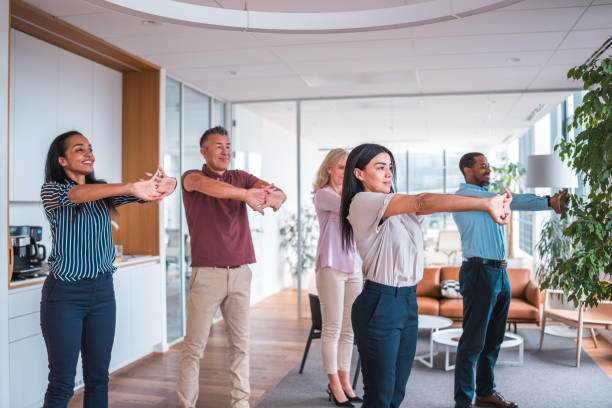
Before any DeskFlow activity, clear floor space of cables and rolling chairs. Wear stable shoes; save loose heels for after the session. Drink water if the room is warm, and stop if you feel dizzy—sit down and inform the facilitator. These guidelines align with general U.S. workplace safety culture: move at your own pace, disclose relevant physical limitations privately, and never compete on range of motion.
We avoid moves that hyperextend the lower back or force neck rotation. For hybrid teams, camera-off participation is always welcome. If your building requires a safety officer for group activities, we provide a printable outline in advance. DeskFlow content is educational; individuals with specific health questions should speak with qualified professionals outside this site.
Open sessions at our Nashville studio and virtual drop-ins for U.S. teams. Times shown in Central Time (CT). Confirm seats via the contact form.
| Date | Event | Format |
|---|---|---|
| June 4, 2026 | Desk Reset: 12-minute lunch flow | In studio + livestream |
| June 11, 2026 | Team Mobility for HR leaders | Virtual workshop |
| June 18, 2026 | Friday Hip & Shoulder clinic | In studio |
| June 25, 2026 | Hybrid group stretch (open office edition) | Virtual |
No special gear is required. A stable chair, desk edge, and wall are enough. Optional resistance bands can be introduced later for variety.
Most effective breaks run two to five minutes. Longer group sessions typically cap at twenty minutes to respect work schedules.
Yes. We run camera-optional video sessions with clear verbal cues so everyone follows the same timing.
We tailor intensity to your environment. Sedentary roles, call centers, and lab settings each receive adjusted moves and safety notes.
Studies on workplace physical activity often show small but meaningful gains in self-reported comfort when employees stand or walk briefly across the day. Meta-analyses caution that no single stretch fixes ergonomic risk; chair height, monitor position, and break culture matter together. DeskFlow translates that evidence into doable steps: we highlight frequency over heroic workouts.
For example, some controlled studies in sedentary adults have observed differences in blood sugar patterns when sitting is interrupted with light activity—outcomes vary by individual and study design. We share this context only to explain why short breaks can be worth scheduling, not to predict your personal results.
Leaders can support movement by modeling five-minute pauses before all-hands meetings and celebrating participation rather than performance. When wellness is optional and judgment-free, more people try it once—and often return.
Build a break scheduleDeskFlow is operated by Younguopurificat.ddd from Nashville, Tennessee. This site describes our educational content and optional paid or free group sessions. We do not sell supplements, medical devices, or licensed therapy on this website.
Session fees, if any, are quoted before you book. Free guides on this site stay available without purchase. Learn more on our About page or contact us with questions about ads, pricing, or programs.
Tell us your team size, schedule, and whether you prefer on-site or virtual formats. We will reply with options and pricing where applicable—no long-term contract required to ask a question.
Contact DeskFlow